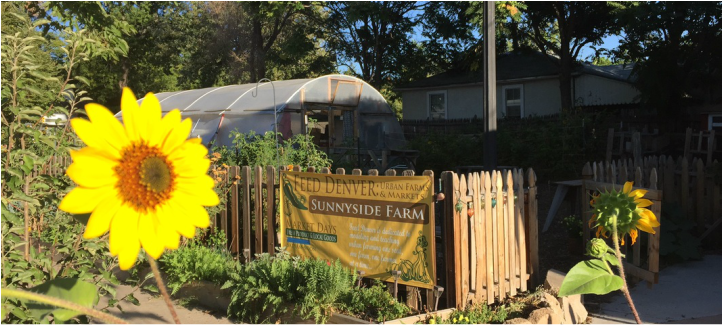
Feed Denver will be closing its operations – including the Sunnyside Farm & Market – with its last Saturday Morning Market on October 31st. After seven years (five at the Sunnyside location) it is time to let the program go fallow, return its energy to the earth. One thing I’ve learned over these years is how our human activities mirror nature. All things have a life cycle. We hope the seeds of our work will find their way to continue to support food and farming sovereignty.
In October of 2008 the spark for Feed Denver was lit. I had been hearing about the insolvency of our food system for a while. An article here, a film there, my own experience of the food available in the marketplace. One day I reached my own personal seminal moment when I could no longer act as if it was okay to expect someone else to solve this massive issue. I had to do something, I had to get involved.
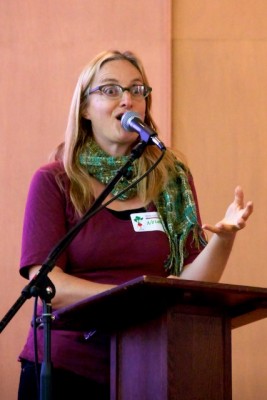
I sought people and communities and organizations that were talking about this. I joined and I spoke and I shared information. There were so many layers to the problems and so many ways to approach issues. After a while I realized there was a great outcry for more nutritious food, more local farming but not a lot of talk or programming to create the most important (to me) aspect of the broken system, the lack of farmers. That realization led to the creation of Feed Denver: Urban Farms & Markets.
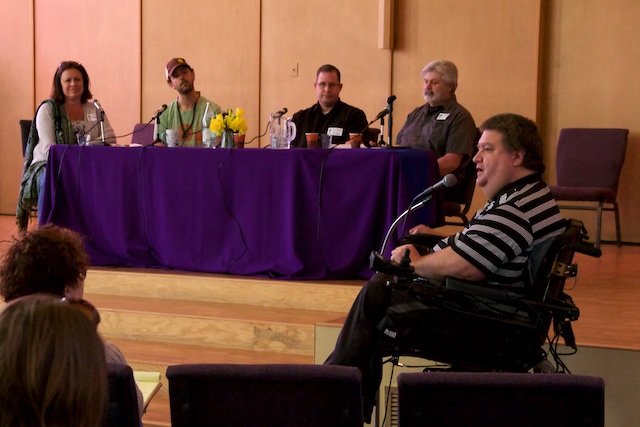
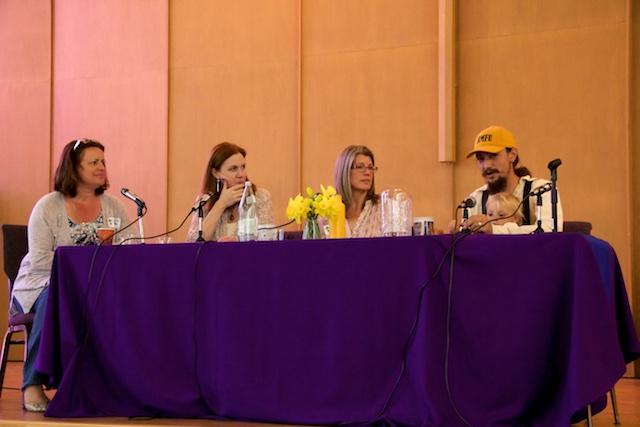
Over the years we’ve met amazing people from all over the world but especially from right here in our own community. We’ve drawn in people to our education events, our farms, and our markets to speak and teach local food sovereignty. From this work seeds were planted that have been germinating gardens, farms, programs, and businesses.
Although there have been many individuals and organizations that have supported and nourished our seasons here, these are some who made a mark:
Starting a new project is intimidating. From the beginning Carmen Casis was there as my listening post, chief encourager, our first board member and for every day and event since. Lisa Reynolds one of the first people to see the vision and commit to making it happen and was truly that midwife of Feed Denver’s birth.
Our community steward farmers truly made Feed Denver real. Paula and Kasmira Thompson, our first farmers embraced our work on the parking lot across the street from their home. They guarded it as their own, kept the gates open to their neighbors, and fertilized it with their joy. Young Daniel joined us on our first day of building the parking lot farm at 44th & Vallejo in Swansea neighborhood. A young boy full of enthusiasm seeking a place in this world left his mark on us.
Support for our local food movement amazingly came from distant places. Margaret Morgan-Hubbard and Zsofia Pasztor, both mothers of this movement, sisters in the work through their respective organizations, Eco City Farms (MD) and Farmer Frog (WA), shared passion and encouragement. Our projects gaining strength and weaving relationships across the country. Intertwining with those long distant colleagues was Laura Weber who always had a bed for traveling farmers and ear to hear our stories.
Feed Denver’s mission was inspired and nurtured from the very beginning by Will Allen. Our work, our people, and our programs were fertilized by the people at Growing Power both staff and fellow participants. And we were watered by deep-hearted people like Martin Bailkey who became a conduit for those of us doing this work in far flung places to remember we weren’t in it alone. Growing Power alumni are the mycelium of this movement, pulsing a beat across this country.
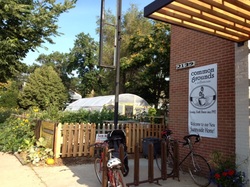
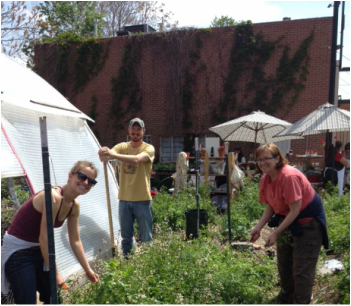
It may have taken inspiration from afar to build our project but it was our community here that made it work. It was the army of volunteers over the years that actually built our programs. Thanks to each and every one of you! Thank you to Donna at the Urban Farm at Stapleton, David at our 42nd & Steele Parking Lot Farm, and Mary and Ed at Common Grounds for sharing space with us; and Ann Tod for welcoming us to your church for our winter market. We’ve had the pleasure of working with dedicated community members through our board of directors over the years including Francoise Schmid, Colleen Sandrin, and Evan Call who gave it a good final push. We are especially grateful to David Portillo and the Denver Foundation’s Strengthening Neighborhoods and Michael Miera and the Denver Office of Economic Development for being key funders for our projects and all the individuals and organizations that donated from their own hearts and pocketbooks.
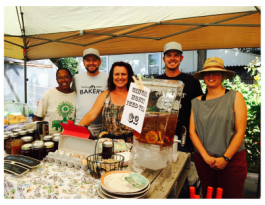
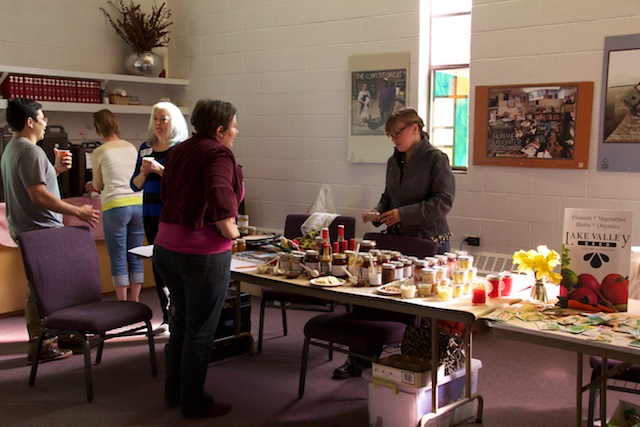
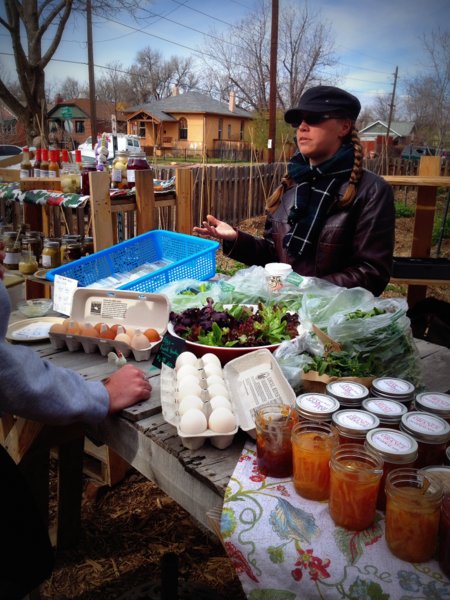
Through it all, though, it was through our farm market that we most deeply connected with our community. Our community of farmers and local producers came together to create a local economic opportunity including Jennifer Johnson of HardPan Horticulture, David Kaminer of Raleigh Street Bakery, Paul Fleischer of Fleischer Family Farms. But it was our customers who made our market a success being encouraging and patient with our explorations, week in and week out: including Jeff, Dana, Bayard, Risa, Matt, and more people over the years than can be listed here. It was your patronage and enthusiasm that proved to us our work mattered.
Finally, as we close down our operations, I would like to mention and thank those individuals that walked this path with me, put in their own blood sweat and tears. Trineka Freeman, Silvana Hoitt, Pam Seaton, and Sheila McClain. As farmers, vendors, teachers, and believers you kept Feed Denver alive over the years. Your love and commitment to the vision, our community, and my crazy ideas were the fuel that kept Feed Denver warm, full of laughter, good food and hope.
But the most important support over these years has been my parents, Mary and Jim Rogers. It was your support, protection, patience, and belief that allowed me to develop this concept and its programs over the years.
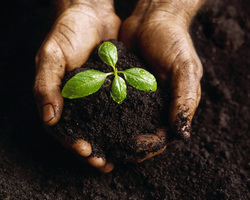
As Feed Denver closes its operations its seeds will continue to germinate in this community and elsewhere. A plant doesn’t knows how far a seed will go or where it will take deepest root.
Thank you all, deeply,
Lisa Rogers
Director
In October of 2008 the spark for Feed Denver was lit. I had been hearing about the insolvency of our food system for a while. An article here, a film there, my own experience of the food available in the marketplace. One day I reached my own personal seminal moment when I could no longer act as if it was okay to expect someone else to solve this massive issue. I had to do something, I had to get involved.
I sought people and communities and organizations that were talking about this. I joined and I spoke and I shared information. There were so many layers to the problems and so many ways to approach issues. After a while I realized there was a great outcry for more nutritious food, more local farming but not a lot of talk or programming to create the most important (to me) aspect of the broken system, the lack of farmers. That realization led to the creation of Feed Denver: Urban Farms & Markets.
Over the years we’ve met amazing people from all over the world but especially from right here in our own community. We’ve drawn in people to our education events, our farms, and our markets to speak and teach local food sovereignty. From this work seeds were planted that have been germinating gardens, farms, programs, and businesses.
Although there have been many individuals and organizations that have supported and nourished our seasons here, these are some who made a mark:
Starting a new project is intimidating. From the beginning Carmen Casis was there as my listening post, chief encourager, our first board member and for every day and event since. Lisa Reynolds one of the first people to see the vision and commit to making it happen and was truly that midwife of Feed Denver’s birth.
Our community steward farmers truly made Feed Denver real. Paula and Kasmira Thompson, our first farmers embraced our work on the parking lot across the street from their home. They guarded it as their own, kept the gates open to their neighbors, and fertilized it with their joy. Young Daniel joined us on our first day of building the parking lot farm at 44th & Vallejo in Swansea neighborhood. A young boy full of enthusiasm seeking a place in this world left his mark on us.
Support for our local food movement amazingly came from distant places. Margaret Morgan-Hubbard and Zsofia Pasztor, both mothers of this movement, sisters in the work through their respective organizations, Eco City Farms (MD) and Farmer Frog (WA), shared passion and encouragement. Our projects gaining strength and weaving relationships across the country. Intertwining with those long distant colleagues was Laura Weber who always had a bed for traveling farmers and ear to hear our stories.
Feed Denver’s mission was inspired and nurtured from the very beginning by Will Allen. Our work, our people, and our programs were fertilized by the people at Growing Power both staff and fellow participants. And we were watered by deep-hearted people like Martin Bailkey who became a conduit for those of us doing this work in far flung places to remember we weren’t in it alone. Growing Power alumni are the mycelium of this movement, pulsing a beat across this country.
It may have taken inspiration from afar to build our project but it was our community here that made it work. It was the army of volunteers over the years that actually built our programs. Thanks to each and every one of you! Thank you to Donna at the Urban Farm at Stapleton, David at our 42nd & Steele Parking Lot Farm, and Mary and Ed at Common Grounds for sharing space with us; and Ann Tod for welcoming us to your church for our winter market. We’ve had the pleasure of working with dedicated community members through our board of directors over the years including Francoise Schmid, Colleen Sandrin, and Evan Call who gave it a good final push. We are especially grateful to David Portillo and the Denver Foundation’s Strengthening Neighborhoods and Michael Miera and the Denver Office of Economic Development for being key funders for our projects and all the individuals and organizations that donated from their own hearts and pocketbooks.
Through it all, though, it was through our farm market that we most deeply connected with our community. Our community of farmers and local producers came together to create a local economic opportunity including Jennifer Johnson of HardPan Horticulture, David Kaminer of Raleigh Street Bakery, Paul Fleischer of Fleischer Family Farms. But it was our customers who made our market a success being encouraging and patient with our explorations, week in and week out: including Jeff, Dana, Bayard, Risa, Matt, and more people over the years than can be listed here. It was your patronage and enthusiasm that proved to us our work mattered.
Finally, as we close down our operations, I would like to mention and thank those individuals that walked this path with me, put in their own blood sweat and tears. Trineka Freeman, Silvana Hoitt, Pam Seaton, and Sheila McClain. As farmers, vendors, teachers, and believers you kept Feed Denver alive over the years. Your love and commitment to the vision, our community, and my crazy ideas were the fuel that kept Feed Denver warm, full of laughter, good food and hope.
But the most important support over these years has been my parents, Mary and Jim Rogers. It was your support, protection, patience, and belief that allowed me to develop this concept and its programs over the years.
As Feed Denver closes its operations its seeds will continue to germinate in this community and elsewhere. A plant doesn’t knows how far a seed will go or where it will take deepest root.
Thank you all, deeply,
Lisa Rogers
Director

 RSS Feed