Feed Denver: Urban Farms & Markets
Keep up with the latest:
  • Home
  • Classes & Events
  • Sunnyside Farm
  • Vermicompost & Worms
  • About Us
    • Letter from the Executive Director
    • The Latest News>
      • Feed Denver Blog
    • Contact Us
  • Seed Library Project
  • Other Projects
    • Parking Lot Farm
    • Feed Denver New American Program

The Sunnyside Farm Market, 2013

Picture
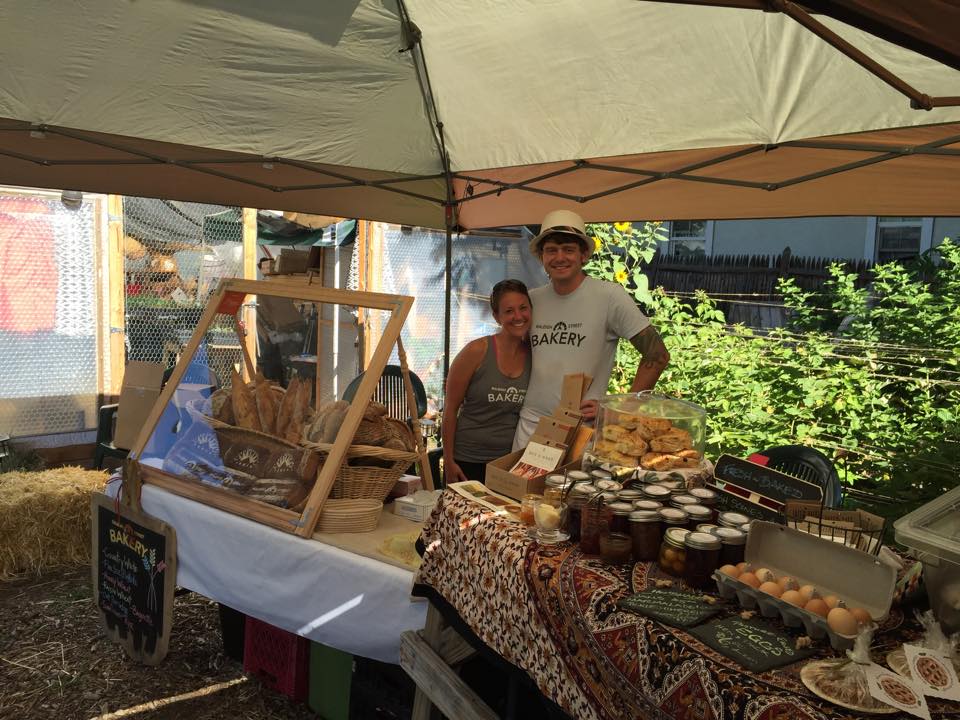
Market is Open Again
 
Saturday Markets 9:30-noon
44th Avenue @ Vallejo Street 

Wednesday Evening Markets 
5-7 pm
begin May 22nd! 

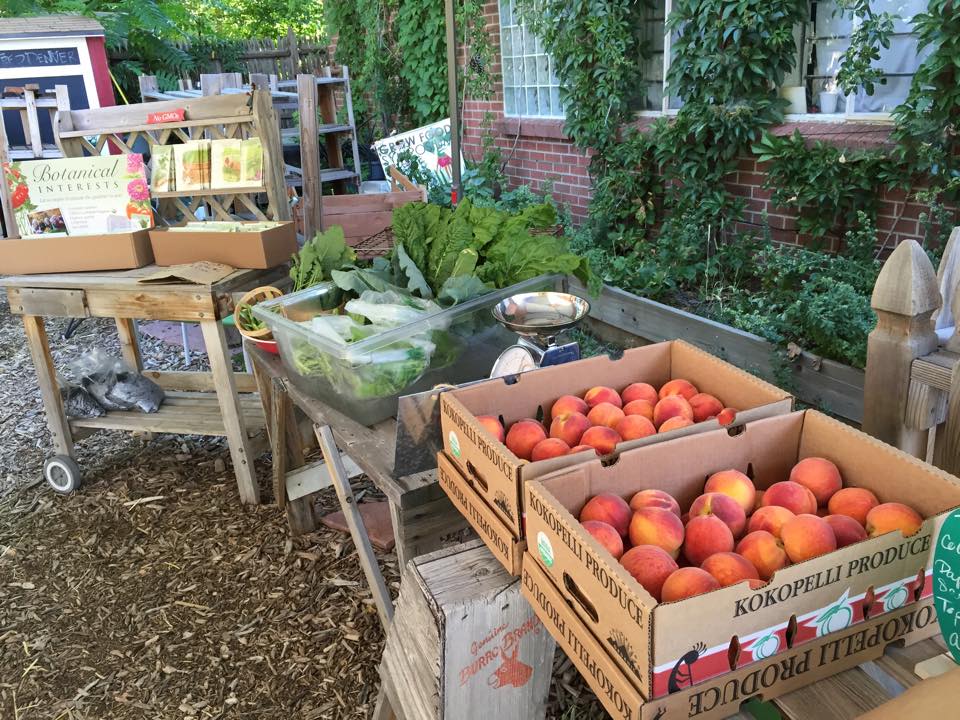
The season has begun!  We have the first greens of the season as well as starts for your own garden.  Our bakers and canners are back with fresh bread, tarts, quiche, gluten-free yummies, pasta, and jams.
 
And as always, please order your worm products ahead so we can dig them up and have them ready for you.  Red wigglers, vermicompost, vermicompost tea (worm juice!)  Order worm products here 
 

We did it! Our Hoophouse is Up!

Picture
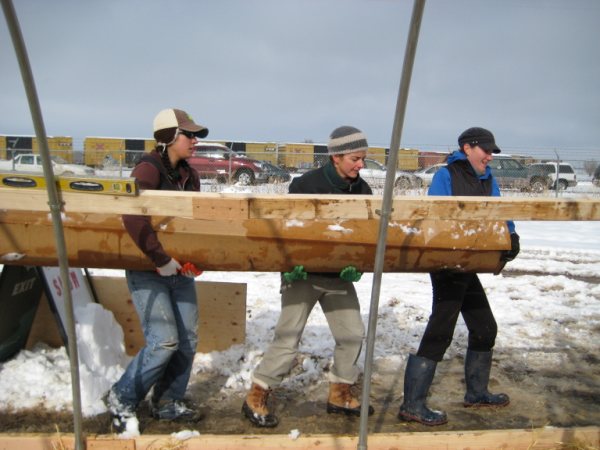
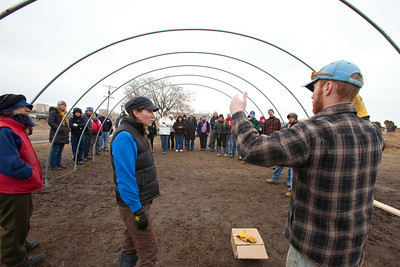
Through the month of January we have been building a hoophouse structure at our Sunnyside Farm & Market to enclose some growing space and provide our market with protection from the elements.  

A cast of thousands (well tens, really) helped us over about three weeks to raise, stabilize, skin, frame and secure our new hoophouse.  We now have over 500 square feet of protected growing space and we are ready to roll!  

We will be filling it with early starts and setting up an area for our markets which will start back up again on February 20th. 

We are grateful to The Denver Foundation's Strengthening Neighborhoods program for their generous grant to help with this. 


Blog Series: Saving Seeds Can Save the World

Picture
Part 1: Saving Seeds Can Save Your Life
Nicole Patterson, Major: Biology, Hometown: Minneapolis, MN

Welcome to part one of our blog series “How Saving Seeds Can Save the World.” As a collaborative project between a University of Denver writing course “Food and Culture” and Feed Denver, four DU students will show how seed-saving can save the world. Each of the four parts of the series will tackle seed saving from a different angle. 

For centuries, farmers and gardeners saved the seeds from their produce to put towards the next harvest. In fact, even one of our founding fathers, Thomas Jefferson, was an avid seed collector and belonged to seed exchange groups where he would introduce new seed varieties to the farmers in his community.(1)  It was common practice, even on large farms. As recent as 1960, the seed saving rate for US soybean farmers was 63%.(2)  Saving seeds from harvest to harvest enables self-sustainability because farmers don’t need to buy seed annually. Each generation of saved seeds better adapts to the climate, which results in increased yield with less pesticides. 

With the dawn of genetically modified seeds and commercial seed manufacturers, like Monsanto, seed saving has become virtually extinct. 
READ MORE...

Dr. Vandana Shiva on Seed Saving and Community Security

Scientist, philosopher, feminist, author, environmentalist, activist, Dr. Vandana Shiva is a one-woman movement for peace, sustainability and social justice.


Here she is interviewed by Bill Moyers.  The state of seed security is not only a local issue but worldwide issue.

The Great Seed Saver Library Project

Picture
We found homes for more than 300 tomato plants!  All of them, heirloom and organic, grown under the love and care of Penn Parmenter at her high mountain farmInspired by Penn's passion - and a miscalculation of starts - we gave away more than 300 amazing tomato plants with the request that each participant help us start a seed saving library.  If you took one of these wonderful heirlooms all we ask is you save some of the seed and return some of it to us.  We'll organize a seed library to make the seeds available to you and others next year and in future. Read more here...


Gastronomes and the Good Food Revolution

Picture
Last month I had the opportunity to visit the University of Gastronomic Sciences to speak to Masters Students about career opportunities in the food and farming industries in the USA.  Founded by the pioneer thinkers of Slow Food International and located in Pollenzo, Italy (I know, poor me…what I do for the Good Food Revolution!) this program draws a full picture of the place of food in the full economy and ecology of the human experience on this planet.  

Gastronomically food cannot be separated into tidy compartments.  Growing food cannot be separated from the land, people, and culture wherein it came forth.  Eating food cannot be separated from the “hands that made the food” (as the Irish would say).  Discussions about health – from nutrient deficiency to the obesity epidemic – cannot be separated from the industries that provide the connection between grower and eater.  Food justice conversations – from food deserts to land grabbing and forced famine – cannot be separated from local and global political and financial decisions…as well as our own choices at the grocery store. Read more...

Picture


Feed Denver is a 
Growing Power 
Regional Training Center
serving the Rocky Mountain Region

Picture
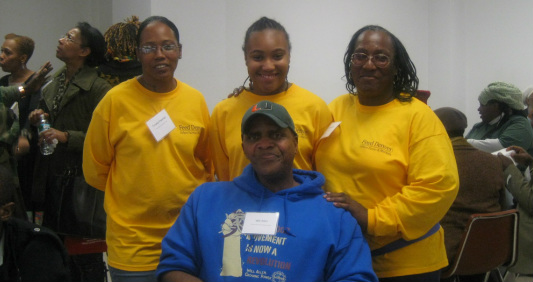
From The Ground Up Workshop 2009. Community Steward Farmers Trineka Freeman, Kasmira Thompson, and Paula Thompson with Will Allen at the Black Urban Farmers and Gardeners Conference in Brooklyn, NY, 2010

How to find Feed Denver's 
Sunnyside Farm

Our farm is at the corner of 44th Avenue and Vallejo Street in North Denver's Sunnyside Neighborhood... just southwest of the Interstate 70 Pecos exit.

Classes & Events:

July 20th

Picture
Learn to identify edible urban greens in your own neighborhood with the help of Kate Armstrong, a woman who knows her way around ...wild urban food.

Join Kate on a Sunnyside walkabout.  
July 20th
9-11 am
$25 per person
Wear comfy shoes, hat & sunscreen, bring a basket or fabric bag.

More information here

Picture

Customized Group Class:
Urban Farming Basics
Bring a group of 4 or more

Picture
The Growing Power Method: 
It's All About the Soil!

Take a step toward sustainability!  Get your friends together to learn more about urban farming and sustainability. For groups of 4 or more Trineka Freeman - one of our Community Steward Farmers - will give a one hour introduction to the basic techniques of the Growing Power Method that we use at our Sunnyside Farm at 44th & Vallejo St.  Topics include: compost, vermicompost, and intensive, biodiverse planting, and planting for fall and winter crops.  Class fee: $10 per person.  


Contact us for more information.


T Shirts & Posters 
For Sale

Picture
T Shirt Design by Rob Bell and inspired by John Vogl

Seeking 2013 Apprentices

Picture
Do you want to learn first hand about urban farming in Denver?  From compost to hoophouses, worms to markets.  APPLY HERE

Imagine farms in the city...

Picture
Our mission is to create an urban farming education center where people come to learn how to grow fresh food at high altitude, gain hands-on job training, and develop entrepreneurial skills that open avenues to self-sufficiency.  

We are a part of diverse network of local fresh food producers creating direct markets to the consumer.  We also provide an incubation program for multicultural urban farmers and value-added producers, a regional research and training center, and host courses, workshops, and annual urban farming events.  

Welcome to Feed Denver.


Proudly powered by Weebly