Feed Denver Closed, October 31, 2015
Feed Denver will be closing its operations – including the Sunnyside Farm & Market – with its last Saturday Morning Market on October 31st. After seven years (five at the Sunnyside location) it is time to let the program go fallow, return its energy to the earth. One thing I’ve learned over these years is how our human activities mirror nature. All things have a life cycle. We hope the seeds of our work will find their way to continue to support food and farming sovereignty. Read More
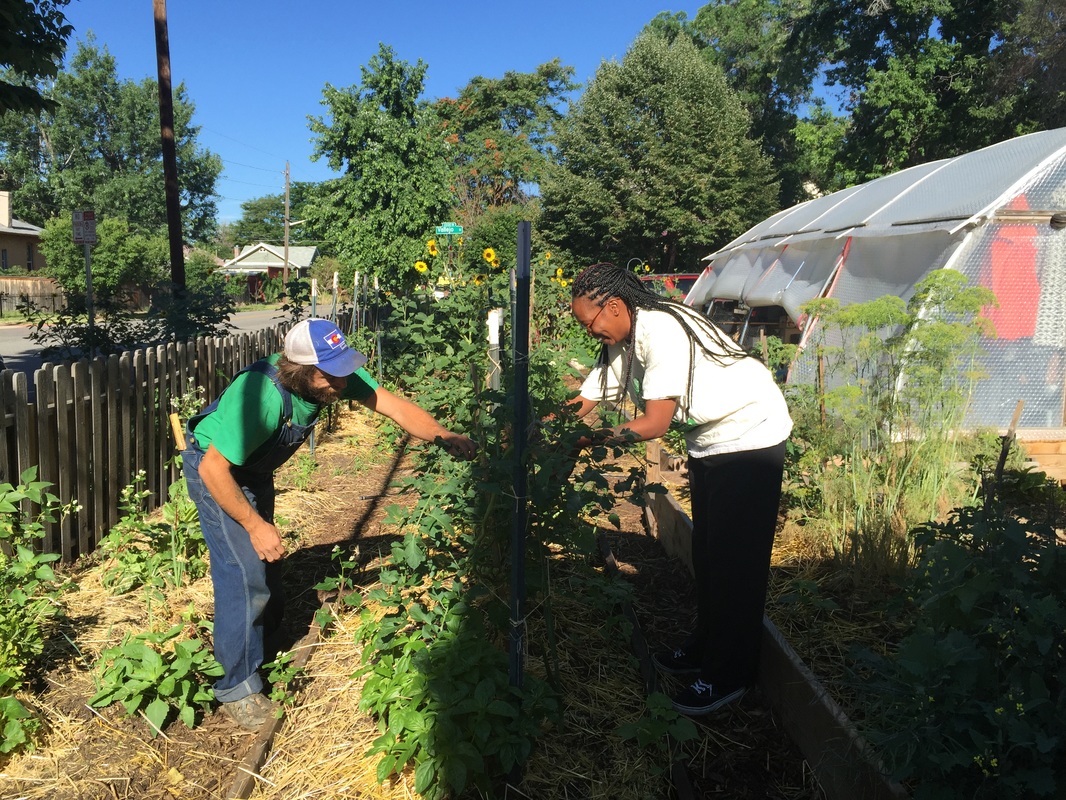
Imagine farms in the city where people come to learn how to grow fresh food at high altitude using regenerative soil techniques, gain hands-on job training, and develop entrepreneurial skills that open avenues to self-sufficiency. Our farm-based training improves not only access to food, but develops economic opportunity and employment. Our farms are a diverse network of local fresh food production and direct markets, an incubation program for multicultural urban farmers and value-added producers, a regional research and training center, and host to courses and workshops, as well as a series of annual urban farming events.

|
|
|
FARM & MARKET |
have closed...thank you for a great run! |

|
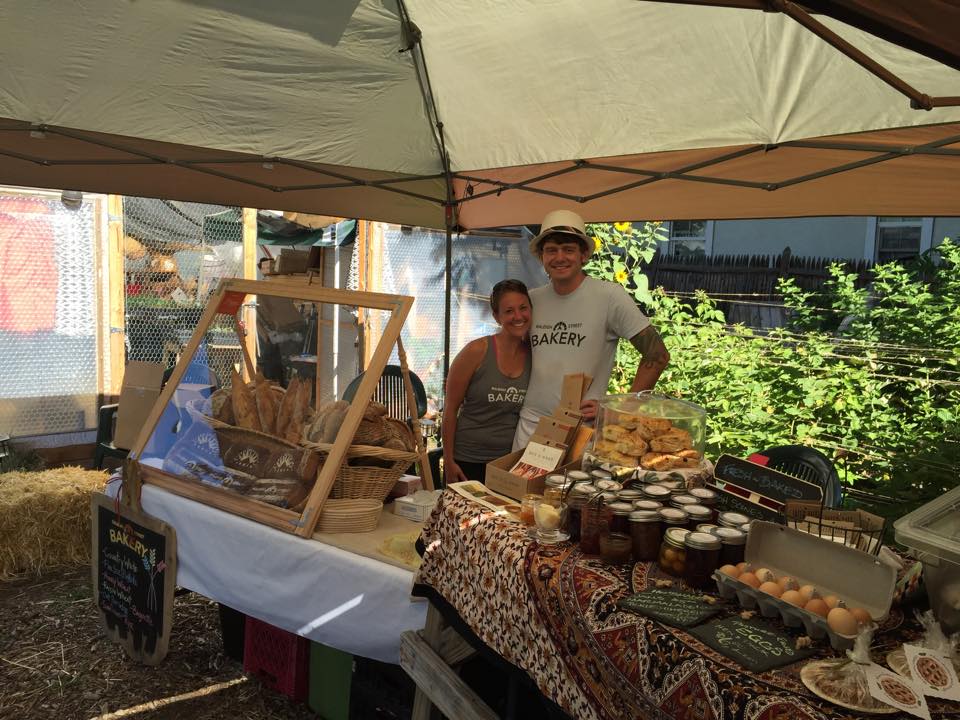
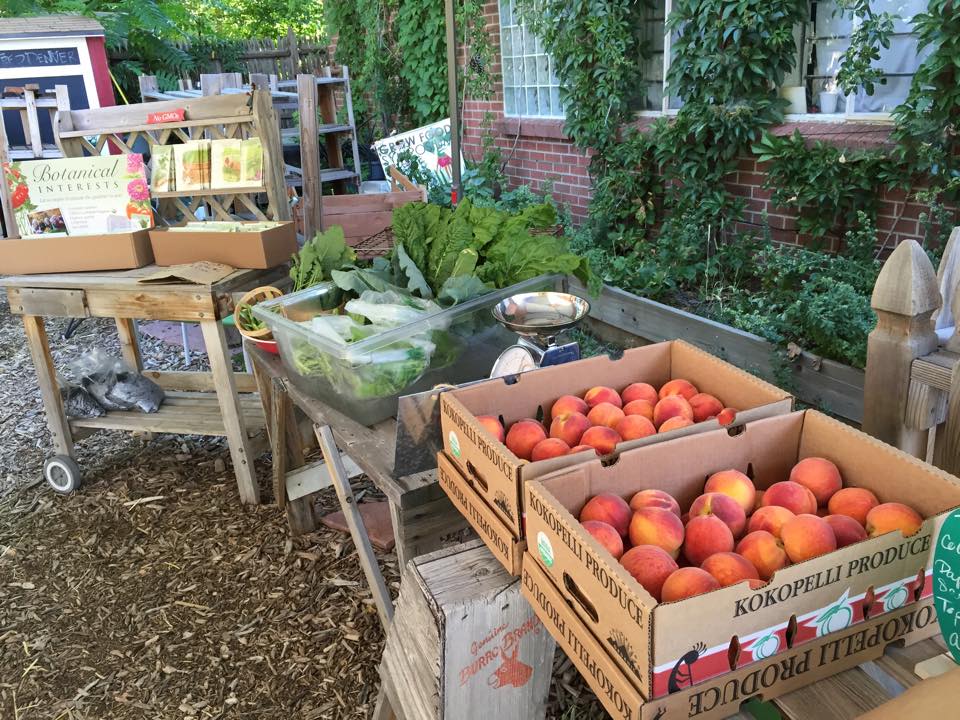
Feed Denver's program farms are fully operational. As we model techniques in urban farming we put them to the test, both physically and financially. These are the program farms currently open to the public and presenting farm markets:
Sunnyside Farm - 44th Avenue at Vallejo Street
PROGRAMS | CLASSES | CONFERENCES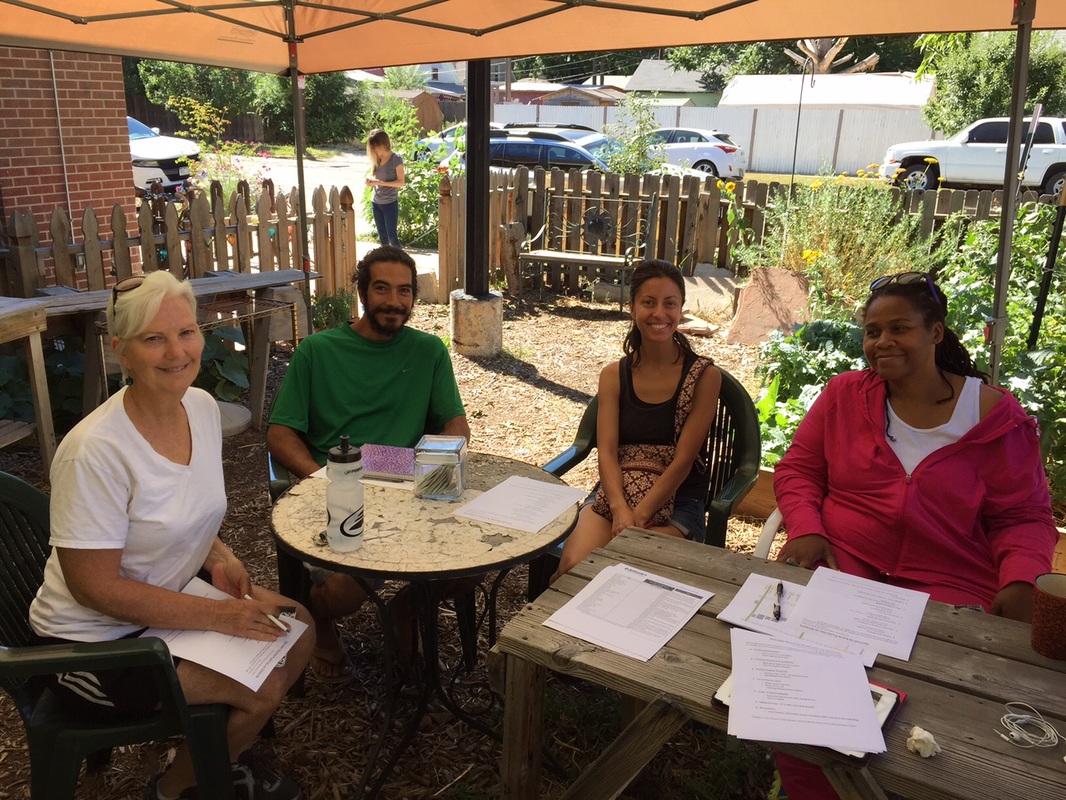
|
Feed Denver Blog:Follow our blog: |

|
Feed Denver is a
|
As a Regional Training Center representing Growing Power we model and teach the core techniques of the Growing Power Method: composting, vermicomposting, and year round production.
We have trained at Growing Power's Milwaukee Headquarters. We are graduates of the Commercial Urban Agriculture Program. We network with other Regional Training Centers and urban farming professionals around the country and the world. We have also had the good fortune to have Will Allen out to Denver to lead a weekend workshop. |
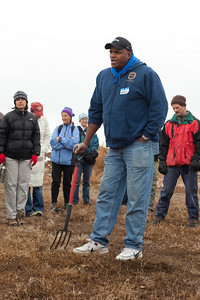
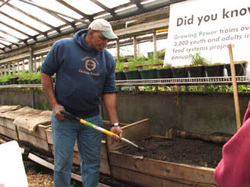
Will Allen teaching compost techniques at From the Ground Up Workshop in 2009
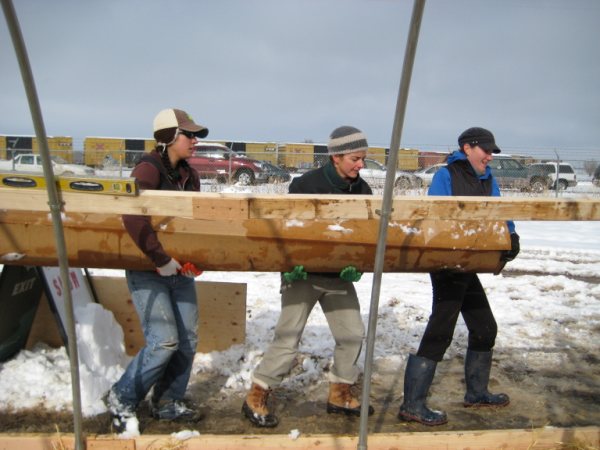
It takes a team!
|
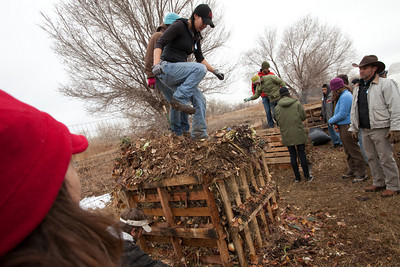
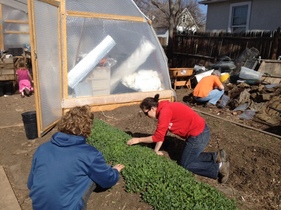
It's all about the soil. Growing Power compost techniques build nutritious soil in the city.
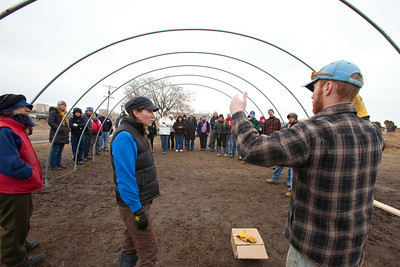
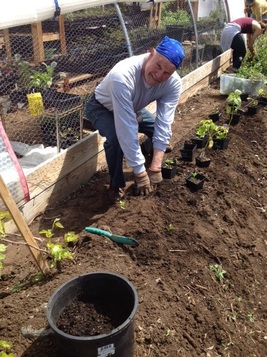
Year round growing is essential. Hoophouses and low tunnels extend your growing potential.
|
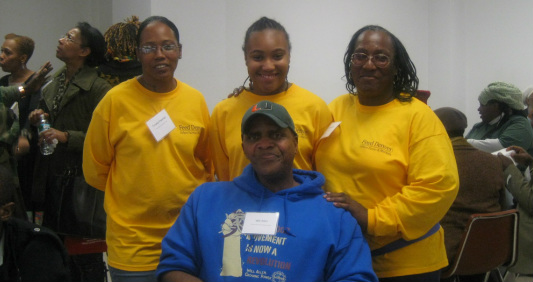
Community Steward Farmers Trineka Freeman, Kasmira Thompson, and Paula Thompson with Will Allen at the Black Urban Farmers and Gardeners Conference in Brooklyn, NY, in 2010. These Feed Denver urban farmers presented their experiences growing food in a parking lot farm in the Swansea Neighborhood, Denver.
Vermicompost is what turns normal healthy compost into black gold...uber nutritious with fertilizing and pest mitigation properties.
|